- Yesterday
Why Your Child Is Struggling With Behavior at School, and What May Be Causing It at Home
- Jill Stewart
- Faith at Home, Child Behavior, Christian Parenting
- 0 comments
When a child begins struggling with behavior at school, it rarely feels small.
You may hear about:
talking out of turn
arguing with peers
difficulty following directions
moments of disrespect or emotional outbursts
And it can leave you wondering:
Where is this coming from?
Most parents are not ignoring behavior.
They are trying to guide, correct, and support their child. But when the same patterns continue, it can feel confusing and discouraging.
Before jumping to solutions, it helps to understand something important:
Many school behavior struggles do not begin at school.
What You Are Seeing Is Not Random
The behaviors that show up in the classroom often follow patterns.
They may look like:
sleeping during lessons
walking around the room
interrupting or calling out
arguing with peers
yelling, shutting down, or reacting quickly
These are not isolated incidents.
They are signals.
A child’s behavior is often communicating something deeper than what is visible in the moment.
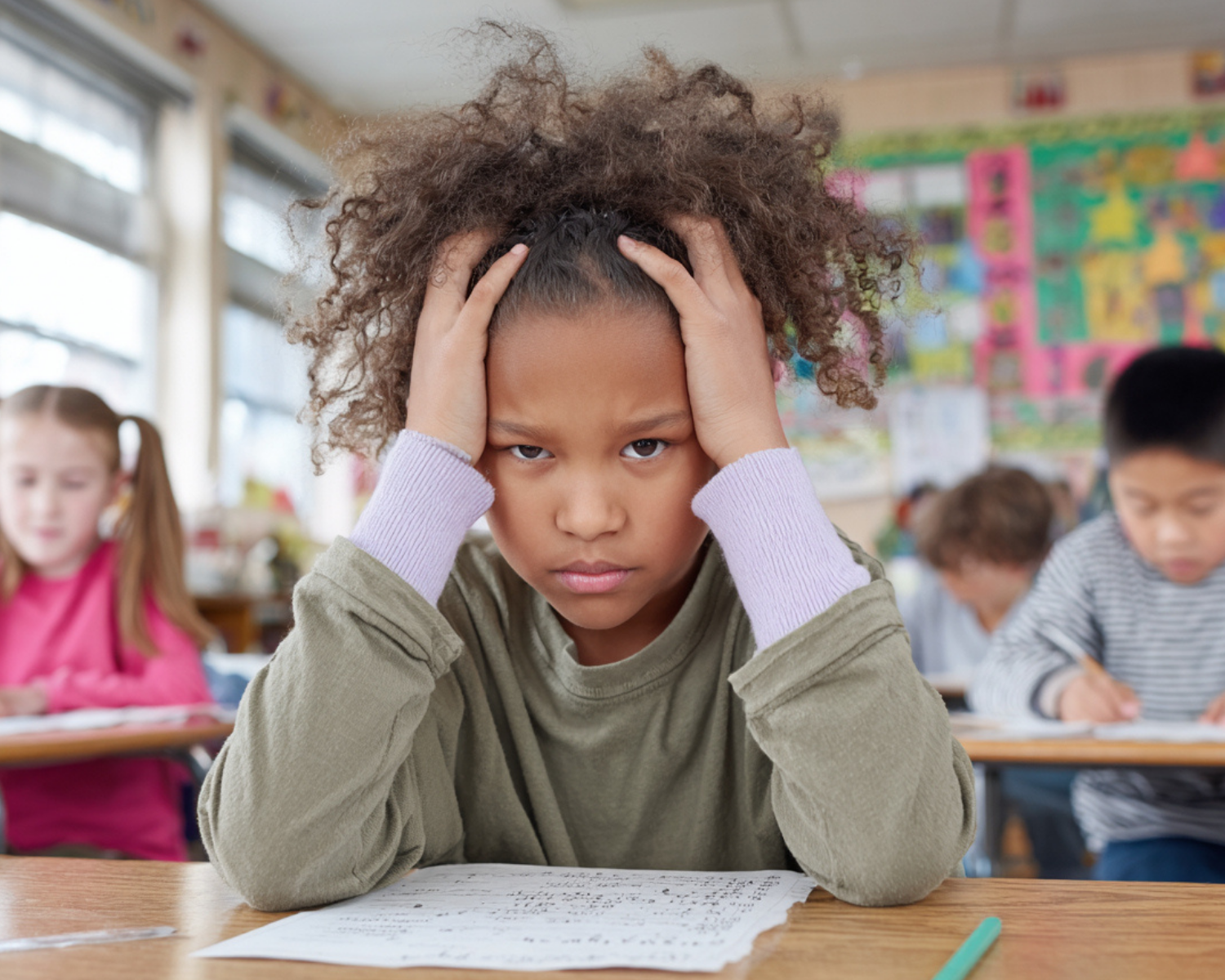
What May Be Happening Beneath the Surface
When you look below the behavior, a few common patterns begin to emerge.
1. Lack of Consistent Routine
Children rely on structure more than we sometimes realize.
When routines are inconsistent, especially around sleep and daily expectations, it becomes harder for a child to function well in a structured environment like school.
Late nights, irregular schedules, or too much stimulation before bed can lead to exhaustion, and exhaustion shows up quickly in the classroom.
Actionable Step
Start with one consistent anchor in your child’s day.
Choose a set bedtime and protect it.
Even a 20 to 30 minute adjustment earlier can begin to improve focus, mood, and behavior over time.
2. Low Emotional Regulation
Many children have not yet learned how to manage frustration, disappointment, or overstimulation.
Instead of working through those feelings, they react.
This may look like:
arguing
yelling
shutting down
physical outbursts
These reactions are not always intentional defiance.
They are often a lack of skill.
Actionable Step
Teach one simple response your child can use when they feel overwhelmed.
For example:
“When you feel upset, pause and take a breath before you speak.”
Practice this at home during calm moments so it becomes familiar.

3. Unclear or Inconsistent Expectations
Children do best when expectations are clear and steady.
If expectations at home are inconsistent, or if follow through changes from day to day, it becomes harder for a child to respond appropriately in a structured setting.
Consistency builds security, and security supports better choices.
Actionable Step
Choose one expectation to reinforce this week.
Say it clearly and repeat it daily:
“We speak respectfully, even when we are frustrated.”
Follow through calmly each time.
4. High Screen Time and Stimulation

Excessive screen time, especially gaming or fast-paced content, can affect:
attention span
impulse control
emotional regulation
sleep quality
This does not mean screens are the only issue, but they often contribute more than we realize.
Actionable Step
Set a clear boundary for screen use in the evening.
Create a simple cut-off time, especially before bed, and replace that time with a calmer routine.
5. A Need for Clear Guidance and Connection
Children need more than correction.
They need guidance.
They need to know:
what is expected
how to respond
that they are supported as they learn
Without that, behavior can become a cycle of reaction and correction without growth.
Actionable Step
Set aside a few minutes each day to connect intentionally with your child.
This is not correction time.
It is simply time to talk, listen, and build trust.
That connection strengthens everything else.
Why This Matters More Than You Think
Behavior is not just about what happens at school.
It is connected to what a child is learning every day about:
themselves
how to respond
what is expected
how to handle difficulty
These lessons are formed over time.
Often in small, repeated moments.
“Many of these patterns are formed long before a child walks into the classroom. If you want to see how everyday life is shaping your child’s understanding and responses, this will help you see it clearly:
How to Build Faith in Your Child at Home, Even If You Feel Unqualified
If You Are Wondering What to Do Next
Understanding the cause is the first step.
Responding with clarity is the next.
If you are looking for practical ways to begin guiding your child’s behavior with calm and consistency, this will give you a clear place to start:
How to Help Your Child Behave Better at School Without Yelling or Constant Punishment
Support for Everyday Moments
Sometimes the hardest part is knowing what to say in the moment.
If you need simple, steady truth you can speak into your child’s day, 5-Minute Devotions: Speak Life to Your Parenting will help guide you.
And if you need support staying grounded yourself, 5-Minute Devotions for Busy Days can help you remain steady even in full seasons.
Closing
If your child is struggling at school, it does not mean you have failed.
It means your child needs guidance, consistency, and support as they grow.
You do not have to solve everything at once.
Start with one clear step.
Stay steady.
And trust that small, consistent changes can lead to lasting growth.
“If you are ready to move from understanding what is causing these behaviors to knowing how to respond with clarity and consistency, this will give you a simple place to begin:
How to Help Your Child Behave Better at School Without Yelling or Constant Punishment